
Pakistan: A Comprehensive Guide to Its Culture, Economy, and Future
Pakistan, a nation steeped in history and vibrant culture, offers a captivating blend of ancient traditions and burgeoning modernity. From the majestic peaks of the Himalayas to the fertile plains of the Indus River, its diverse landscape mirrors the rich tapestry of its people and their way of life. This article delves into the heart of Pakistan, exploring its captivating culture, dynamic economy, and the promising trajectory of its future.
Embark on a journey through the soul of Pakistan, where the echoes of civilizations past meet the pulse of contemporary life. Discover the intricate social fabric, the artistic expressions that define its heritage, and the enduring spirit of its people. Prepare to be enchanted by the resilience and dynamism that characterize this South Asian powerhouse.
Understanding Pakistan’s Rich Cultural Heritage
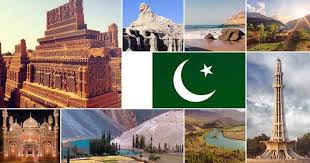
This section gives you a look at Pakistan’s diverse cultural landscape. We’ll see how history shaped it and what it looks like today. The country’s heritage is a true mix of old ways and new ideas. You’ll find influences from many different times and places.
Historical Roots and Influences
Many ancient civilizations left their mark on this region. The Indus Valley Civilization started it all. Later came Gandhara. Various empires, like the mighty Mughals and the British, also played a part. Each group added layers to Pakistan’s rich story.
The Indus Valley Civilization: Cradle of Urbanity
Imagine cities thousands of years ago with amazing planning. That’s the Indus Valley Civilization for you. Sites like Mohenjo-daro and Harappa show how advanced these people were. They had great drainage systems and well-organized streets. Their way of life was truly ahead of its time.
Gandhara Civilization and Buddhist Heritage
The Gandhara region once flourished here. It was a center for Buddhist art and ideas. Gandhara art spread widely and influenced Buddhist images across Asia. You can still see ancient stupas and monasteries today. These sites tell tales of a peaceful, artistic past.
Islamic Influence and Mughal Era
Islam arrived and changed things deeply. It touched art, buildings, language, and how people lived. The Mughal Empire, for instance, left behind stunning architecture. Think of the grand Lahore Fort and the beautiful Badshahi Mosque. Their legacy stands as a testament to their artistic skill.
Pakistan’s Diverse Ethnic and Linguistic Mosaic
Pakistan is home to many different groups of people. Each group has its own unique way of life. This makes the country a true mosaic of cultures. Languages spoken across the nation also show this rich diversity.
Major Ethnic Groups and Their Traditions
You’ll find many ethnic groups making up Pakistan’s population. Punjabis are a large group, known for their lively culture. Sindhis have deep roots in the Indus Valley. Pashtuns are famous for their hospitality and strong traditions. Baloch people live in the vast western areas. Kashmiris add their mountain heritage to the mix.
Official and Regional Languages
Urdu is Pakistan’s national language. It brings people from different areas together. English also holds a special place, often used in government and business. But many regional languages thrive, too. Punjabi, Sindhi, Pashto, and Balochi are spoken widely. These languages help keep local cultures alive.
Arts, Crafts, and Culinary Delights
Pakistan’s vibrant art scene is a joy to behold. Traditional crafts are passed down through generations. And Pakistani food? It’s a flavorful adventure you won’t soon forget. Each region offers its own special tastes.
Traditional Arts and Crafts
Pakistani artists create beautiful things. Intricate embroidery like Phulkari and Ajrak shows incredible skill. You’ll see lovely pottery and handmade carpets. Even trucks become moving canvases, painted with bright, detailed art. These crafts are more than just items; they tell stories of culture.
Pakistan’s Gastronomic Landscape
Get ready to eat! Pakistan offers a feast for your senses. Biryani, a rice dish with meat, is a national favorite. Nihari, a slow-cooked stew, offers rich flavors. Karahi, a spicy stir-fry, is always a good choice. And don’t forget the many types of kebabs. Every meal in Pakistan feels like a celebration.
Pakistan’s Dynamic Economy and Growth Potential
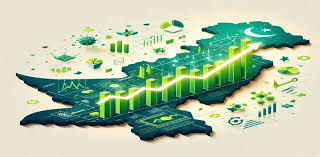
Pakistan’s economy is always moving, always growing. We’ll look at what makes it tick. We’ll also see the hurdles it faces and the big chances it has to get stronger. It’s a land of much economic possibility.
Key Economic Sectors and Industries
Certain areas drive Pakistan’s economy forward. They provide jobs for many people. These sectors are essential for the country’s overall wealth. They help shape its place in the global market.
Agriculture: The Backbone of the Economy
Farming is very important in Pakistan. It supports most people. Wheat, cotton, rice, and sugarcane are major crops grown here. Agriculture makes up a big part of the country’s income. It also provides work for nearly 40% of the labor force.
Textiles and Manufacturing
The textile industry is a major player. It earns Pakistan a lot of money from exports. Beyond clothes, other factories make important goods. This includes cement, fertilizer, and cars. These industries help build the nation and its trade.
Emerging Technology and Services Sector
Pakistan’s tech world is growing fast. The IT and telecom sectors are seeing a boom. Outsourcing jobs come to Pakistan more and more. The digital economy is opening new doors for businesses and young people. This area holds much promise for the future.
Economic Challenges and Opportunities
No country grows without facing some bumps. Pakistan has its share of economic hurdles. But it also has clear paths toward a stronger future. Understanding these helps us see its full potential.
Addressing Inflation and Debt
One big challenge for Pakistan is managing prices. Inflation can make daily life hard for many. The country also deals with national debt. Leaders are working on plans to control these issues. They hope to bring more stability to the economy.
Investment and Trade Relations
Foreign money coming into Pakistan is key. The country seeks more direct investment from abroad. It also works on trade deals with other nations. Pakistan wants to sell more goods to the world. Its main trade partners include China, the EU, and the USA.
Human Capital Development and Skill Enhancement
Investing in people is vital for growth. Education is getting more focus. Vocational training helps people learn useful skills. When people are well-trained, the whole economy benefits. This makes the workforce stronger and more ready for tomorrow.
Governance, Politics, and Society in Pakistan
Here, we’ll talk about how Pakistan is run. We’ll look at its government system. We’ll also explore the people who live here and the important issues they face every day. It’s a complex and changing society.
Political System and Governance Structure
Pakistan operates as a parliamentary democracy. This means people vote for their leaders. The government has different parts, each with its own role. Understanding these parts helps you see how laws get made and followed.
The Constitution of Pakistan
The Constitution is the country’s main law book. It lays out how the government works. It also spells out the rights of all citizens. Its rules guide the entire nation.
Federal and Provincial Governance
Power is shared in Pakistan. The federal government makes decisions for the whole country. But each province also has its own government. They handle local matters, like education and health. This balance helps meet the needs of diverse regions.
Societal Dynamics and Key Issues
Pakistan’s society is lively and full of changes. We’ll look at population trends. We’ll also see some of the big social questions people are talking about. These issues shape daily life for millions.
Population Demographics and Urbanization
Pakistan has a large and growing population. Many young people call it home. More and more people are moving to cities. Karachi, Lahore, and Islamabad are major urban centers. This shift brings both new chances and new challenges for city planning.
Social Welfare and Development Initiatives
Many groups work to improve life in Pakistan. The government and non-profits run programs for healthcare. They also focus on education and helping people escape poverty. Efforts to empower women are also gaining ground. These programs aim to build a stronger, fairer society.
Challenges in Social Justice and Equality
Like many nations, Pakistan faces social justice issues. Achieving full gender equality is a goal. Protecting the rights of minorities is also important. Ensuring everyone has fair access to chances is a big task. Leaders and citizens are working toward a more equal future.
Pakistan’s Foreign Policy and International Relations
How Pakistan deals with other countries is important. This section looks at its relationships with big global players. We’ll also see its role in world events and organizations. Pakistan plays a vital part on the world stage.
Strategic Partnerships and Alliances
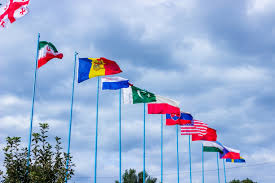
Pakistan has key friends and allies around the world. These relationships help shape its foreign policy. They cover everything from trade to security. Understanding these ties gives you a clearer picture of Pakistan’s global stand.
Relations with China: CPEC and Beyond
China and Pakistan share a very strong bond. The China-Pakistan Economic Corridor (CPEC) is a huge project. It builds roads, power plants, and ports. This corridor boosts trade and connections. It shows the deep trust and economic partnership between the two nations.
Relations with Neighboring Countries
Pakistan has important ties with its neighbors. It shares borders with India, Iran, and Afghanistan. It also looks to connect with Central Asian nations. Building good relationships here is key for regional peace and trade. These connections help shape the future of South Asia.
Relations with the United States and European Union
Pakistan has long-standing ties with the USA. Its links with the European Union are also strong. These relationships cover trade, aid, and security talks. They are vital for Pakistan’s place in the wider world. These ties have changed over time but remain important.
Role in Regional and Global Diplomacy
Pakistan is not just focused on itself. It works with many groups around the world. Its actions help shape peace and security far beyond its borders. It contributes in many important ways to global efforts.
Membership in International Organizations
Pakistan is a member of the United Nations (UN). It also belongs to the Organization of Islamic Cooperation (OIC). And it’s part of the South Asian Association for Regional Cooperation (SAARC). Being in these groups lets Pakistan work on global issues. It helps foster cooperation and understanding.
Contributions to Peacekeeping and Counter-Terrorism
Pakistan has a proud record with the UN. Its troops serve in peacekeeping missions around the globe. They help keep peace in troubled areas. Pakistan also works hard to fight terrorism. It plays an active role in making the world safer.
Economic Development and Vision 2025
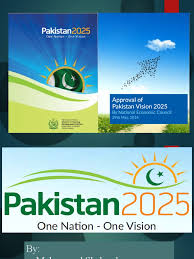
Pakistan has big plans for its economy. It wants steady, lasting growth. Vision 2025 outlines these goals. The aim is to make the economy more robust and fair for everyone.
Infrastructure Development and Connectivity
Many projects are underway to build up the country. New roads, railways, and ports are being built. These help connect people and goods. Better connections mean a stronger economy and easier travel. They link Pakistan closer to its neighbors.
Digital Transformation and Innovation
Technology holds a key to Pakistan’s future. The country is embracing digital tools. Innovation in tech can drive economic growth. It can also improve many parts of daily life. This focus helps Pakistan stay competitive in a changing world.
Social Progress and Human Development Goals
Pakistan wants a better life for all its citizens. It aims for big improvements in society. Reaching national development goals is a top priority. This means helping people thrive in many ways.
Education Reform and Youth Engagement
Improving schools is a major focus. The goal is to give every child a good education. Empowering young people is also crucial. They are the future leaders and workers. Giving them chances helps the whole nation.
Environmental Sustainability and Climate Action
Protecting the environment is more important than ever. Pakistan is committed to climate action. It works to conserve its natural resources. Efforts are made to deal with climate change. This helps ensure a healthy planet for future generations.